Scale Without Going Generic
How PeDePe scaled from a few references to hundreds of buildings per region — while preserving the architectural character of each city.
- Project
Emergency services simulator, global scope
- Engine
Unity, with direct Atlas API integration
- Atlas tier
Enterprise — API + production pipeline
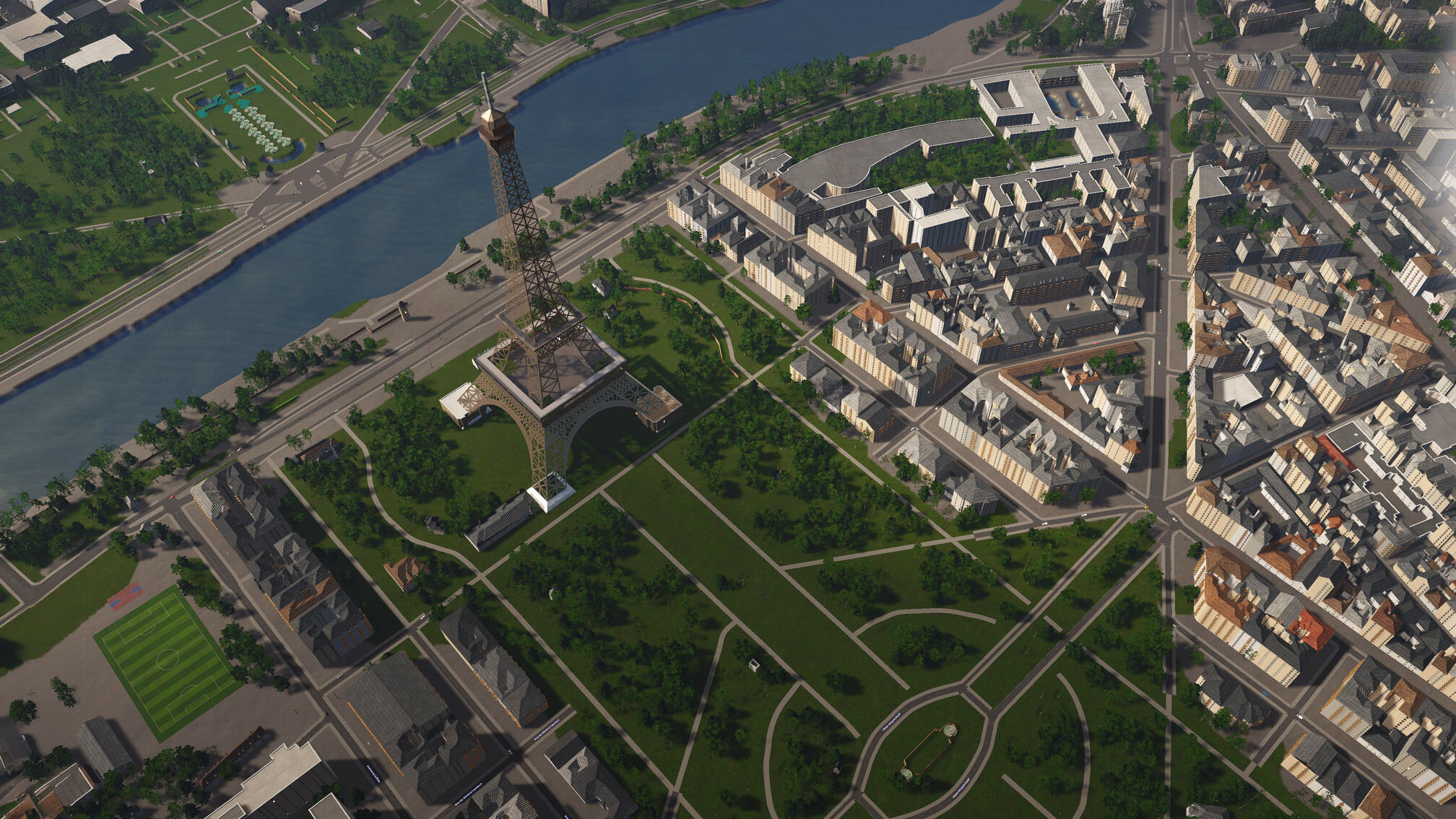
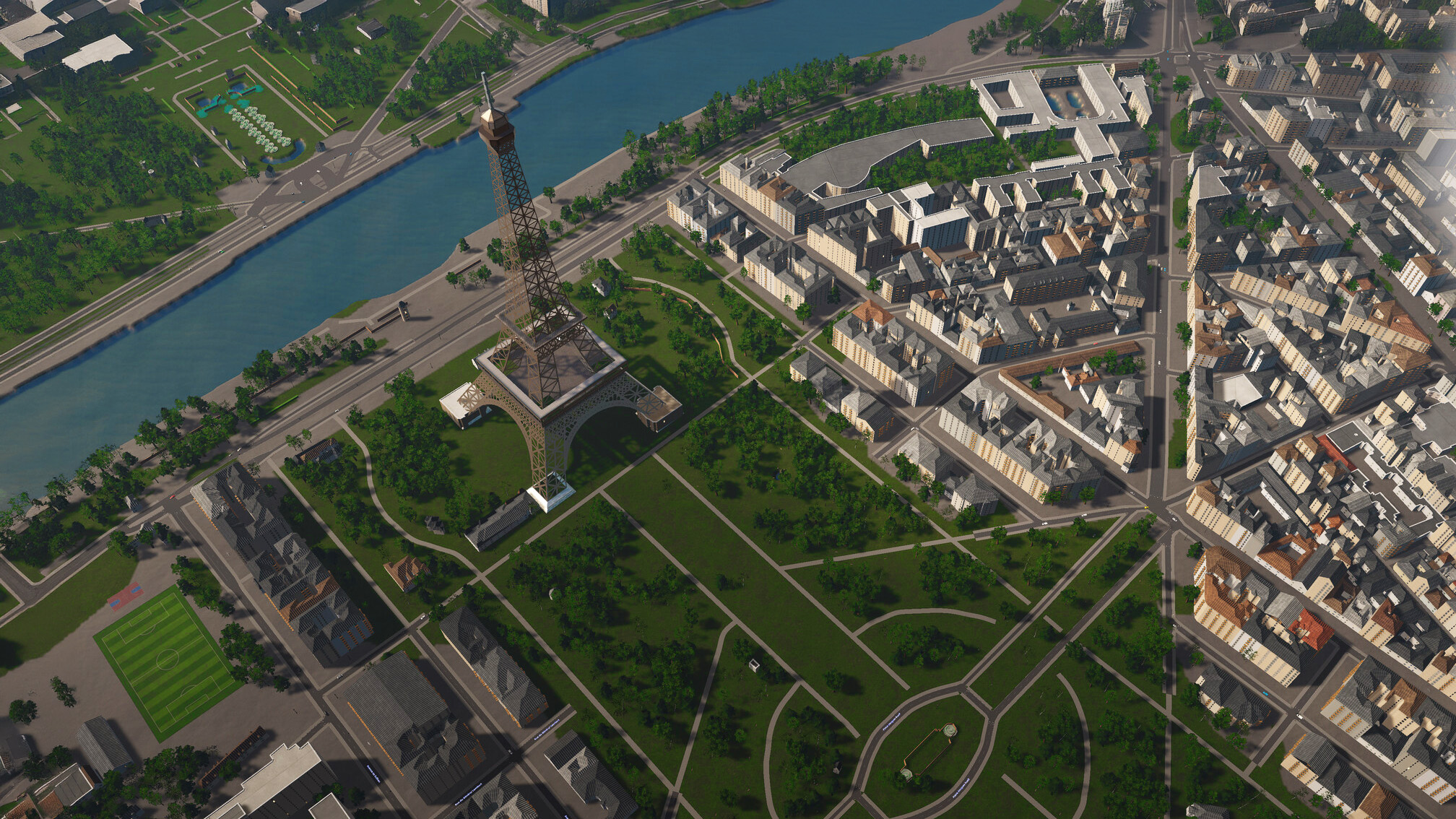
PeDePe is building an emergency services simulator that covers cities around the world. For each city to feel authentic, it needs to carry the visual cues of a real place: its architectural rhythm, materials, street patterns, proportions, and regional details.
Thousands of Unique Buildings Generated
PeDePe could have hand-modeled every building. That would have kept the art team in control, but it would have taken too long. The simulator didn’t need a few beautiful streets — it needed thousands of believable buildings across many regions.
They could have outsourced the work, too. But at that scale, outsourcing becomes its own production problem: expensive, slow to review, and difficult to keep consistent. And while procedural tools could generate enough buildings, they often solved the wrong problem. They made more assets, but not necessarily buildings that felt specific to a place.
How Atlas helped to Scale
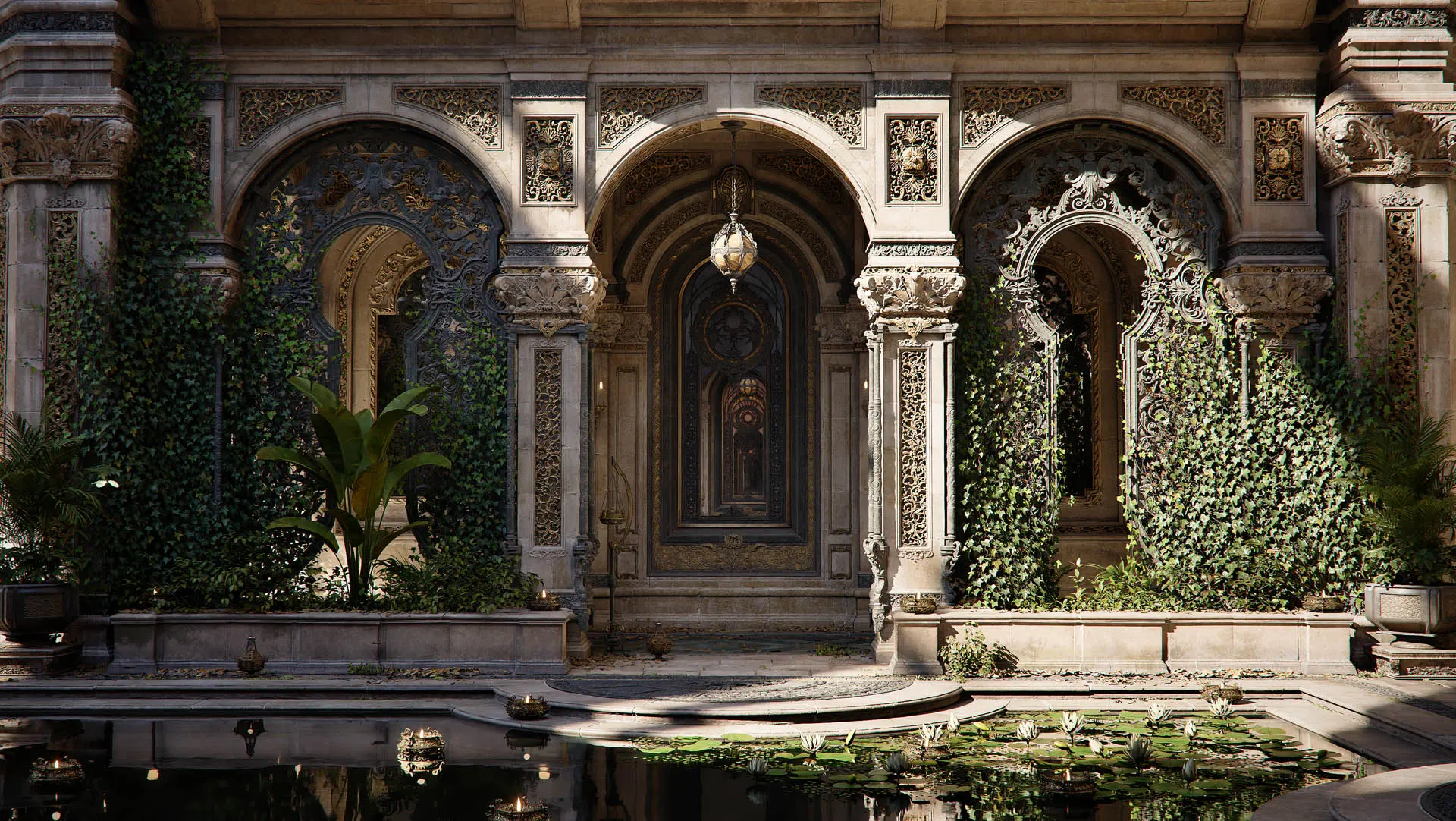
A handful of reference images becomes hundreds of unique buildings.
What takes a team months of manual modeling now takes an artist days
300
Buildings Generated Overnight
Batched through the pipeline and shipped straight to engine.
Every City, Architecturally Distinct
Every city has its own visual language. Hamburg is defined by North German brickwork, canals, warehouses and restrained facades. Lyon has warmer stone buildings, Renaissance courtyards, riverfront architecture, and French urban blocks. Prague brings Gothic towers, Baroque churches, Art Nouveau details, pastel facades, and medieval street patterns.
The challenge building a system that could capture each city’s architectural character — its materials, rooflines, facade rhythms, street layouts, and historical layers — while still being scalable enough to cover cities across the world.
Hand-modeling everything was the quality path — and the slow path. Dozens of buildings carefully crafted; thousands needed. Outsourcing externally would have cost millions of euros and taken years. Generic procedural generation could produce volume, but it erased the architectural character that makes each city worth visiting.
From references to Unity-ready buildings
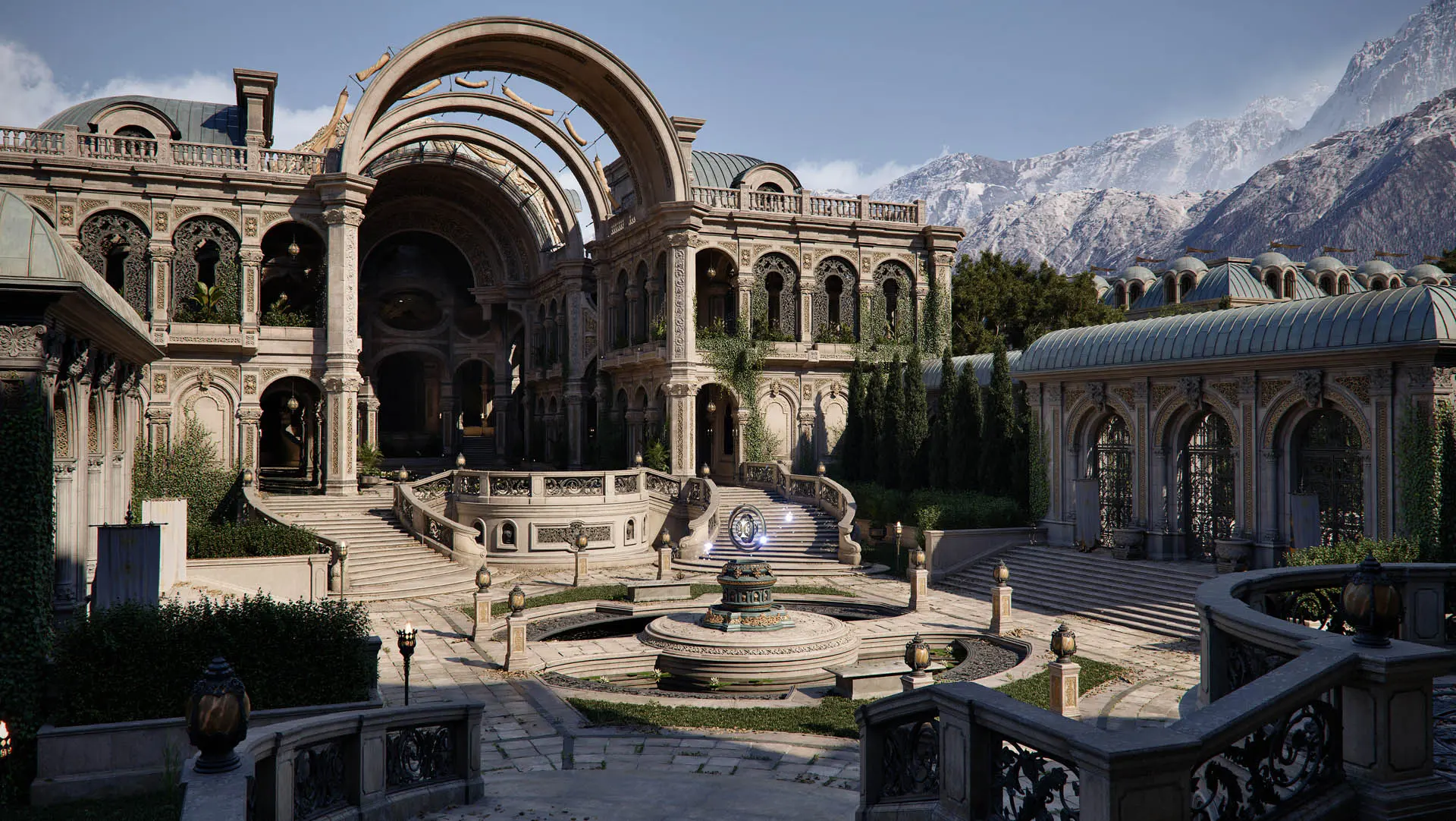
PeDePe’s team starts with a small set of regional reference images. Atlas turns them into hundreds of locally specific building kits that can be used directly inside Unity.The pipeline is built once in Atlas, then called from PeDePe’s own tools whenever the team needs more assets.

1
API Input
Artists input reference images for each region inside Unity and the API connect directly to Atlas.
2
Prompt Generation
Atlas turns references into structured prompts that follow the visual language.
3
Optimization
Each module is generated as a 3D mesh with topology optimized for Unity mport
4
Texture Baking
Full PBR material maps are extracted: albedo, normal, roughness, metallic, AO
5
Transformations
Meshes are automatically fitted to the project’s scale, bounding boxes and pivot.
6
API Output
Kit returns game ready meshes to Unity automatically, ready to be placed and reviewed
Every City, Architecturally Distinct
PeDePe’s team doesn’t need to open Atlas every time they need new buildings.Their pipeline runs as an API endpoint, called directly from inside Unity. When a tech artist needs assets for a new region, they trigger the workflow from the tools they already use.
Atlas processes the batch — often 100–300 buildings in an overnight run — and sends the results back into the project automatically.
For PeDePe, this is where Atlas becomes part of production infrastructure, not a separate tool. A batch can start at the end of the day. By the next morning, the team has new building modules ready to place, review, and dress into scenes.
Consistency makes batching possible
The value is not just that Atlas can generate buildings quickly. It is that the pipeline produces them in a consistent enough format for PeDePe to run the process in batches.
Single-output AI tools are hard to scale in production because every result needs to be checked from scratch: topology, UVs, materials, scale, pivots, and engine fit can all vary from asset to asset. At that point, the team is not really removing work — they are replacing modeling time with review and cleanup time.
PeDePe’s Atlas pipeline is different because the same production rules are applied on every run. The workflow handles topology, UVs, PBR materials, and Unity fitting as part of one repeatable process.That consistency is what makes overnight batching possible. When the team can trust the structure of the output, they can spend less time validating every asset by hand and more time reviewing what actually matters: whether the buildings fit the region, the scene, and the art direction.
"Atlas let our artists define the style, then expanded it at a scale we could never achieve manually. It's not replacing our team; it's multiplying what they can do."
Niklas Polster
Co-Founder, PeDePe
The outcome: a new production capability
PeDePe can now generate hundreds of region-specific buildings in overnight batches. The art team’s role moves earlier in the process: defining the local style language, choosing the right references, and setting the rules the pipeline should follow.
Atlas then turns that direction into the volume the simulator needs.
The shift is not just faster asset creation. It changes what is practical. Before Atlas, building every city with its own architectural character was hard to justify at production scale. With Atlas, it becomes a repeatable workflow: choose a region, set the batch size, run the pipeline, and bring the results into the scene the next morning.
About PeDePe
Independent game studio building large-scale simulator titles with a focus on authentic, locally-grounded environments.