
Helmets, weapons, worlds. A living catalog, produced on Atlas.
Parallel’s COLONY is a player-driven universe. Whatever a player asks for, whether a helmet, a weapon, or a piece of the world itself, Atlas turns it into on-style, game-ready gear in one governed pipeline: prompt → image → 3D.
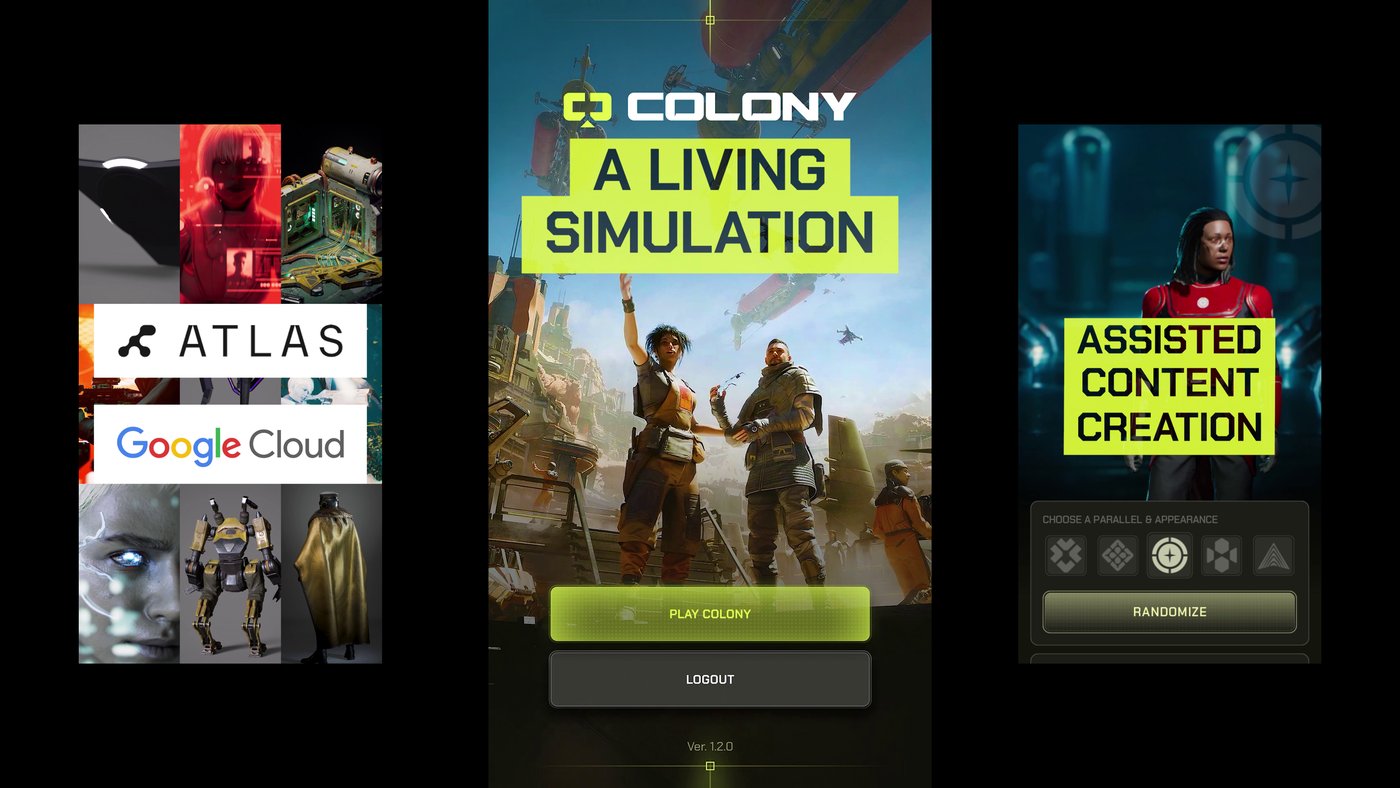
COLONY, a living, player-driven universe by Parallel
first 30 days
one art direction
one governed graph
enforced in backend
A living universe needs gear faster than a traditional pipeline can hand-build it.
Players don’t ask for a pre-approved catalog item. They ask for whatever helmet or weapon design they want, whatever they can imagine, and every one of those has to read as unmistakably Parallel and arrive game-ready.
At the volume and cadence a live audience demands, that consistency doesn’t scale by hand, and it can’t drift outside the IP the studio is allowed to ship.
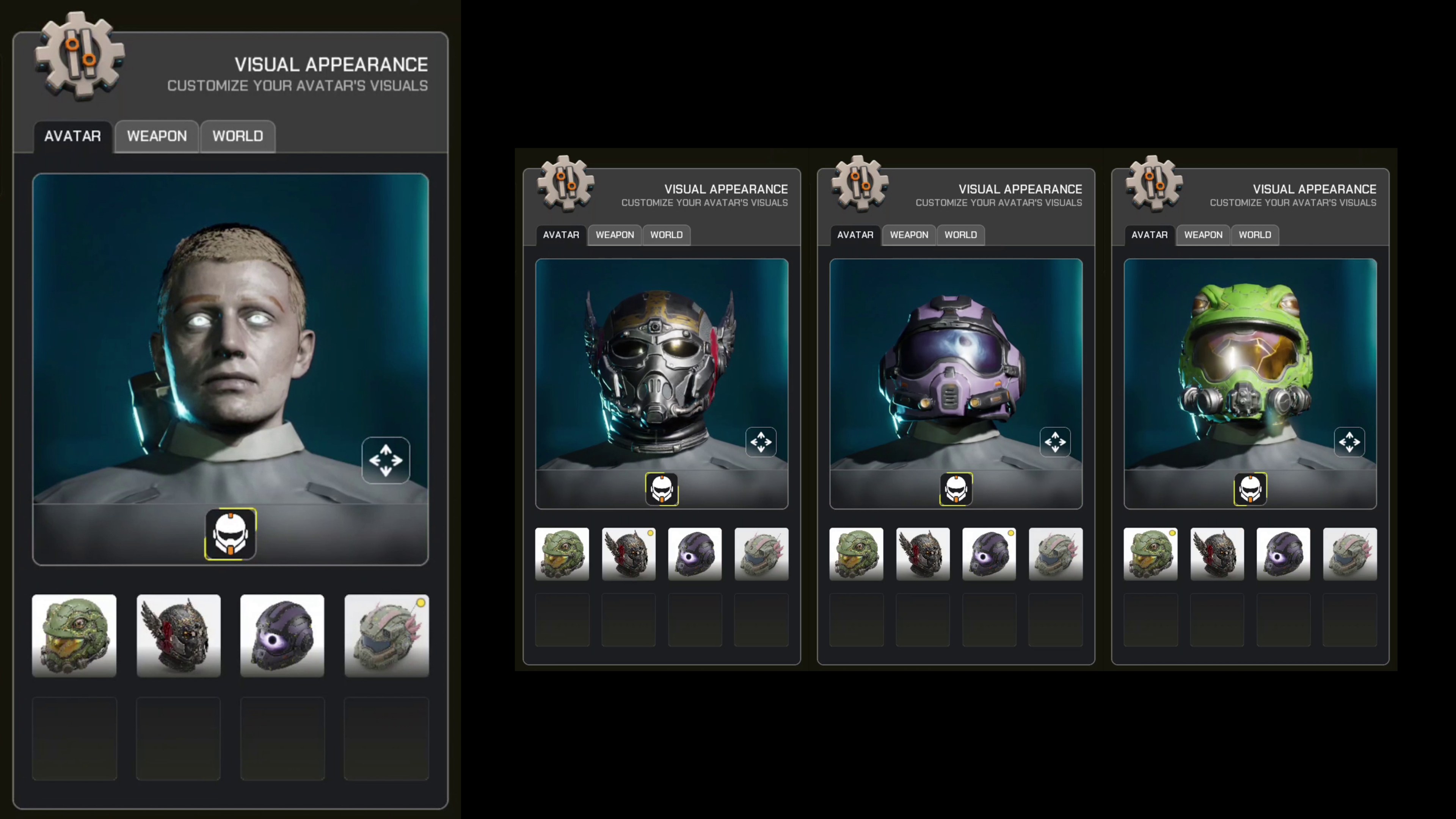
Distinct requests, one coherent world
One governed graph, from prompt to game-ready asset.
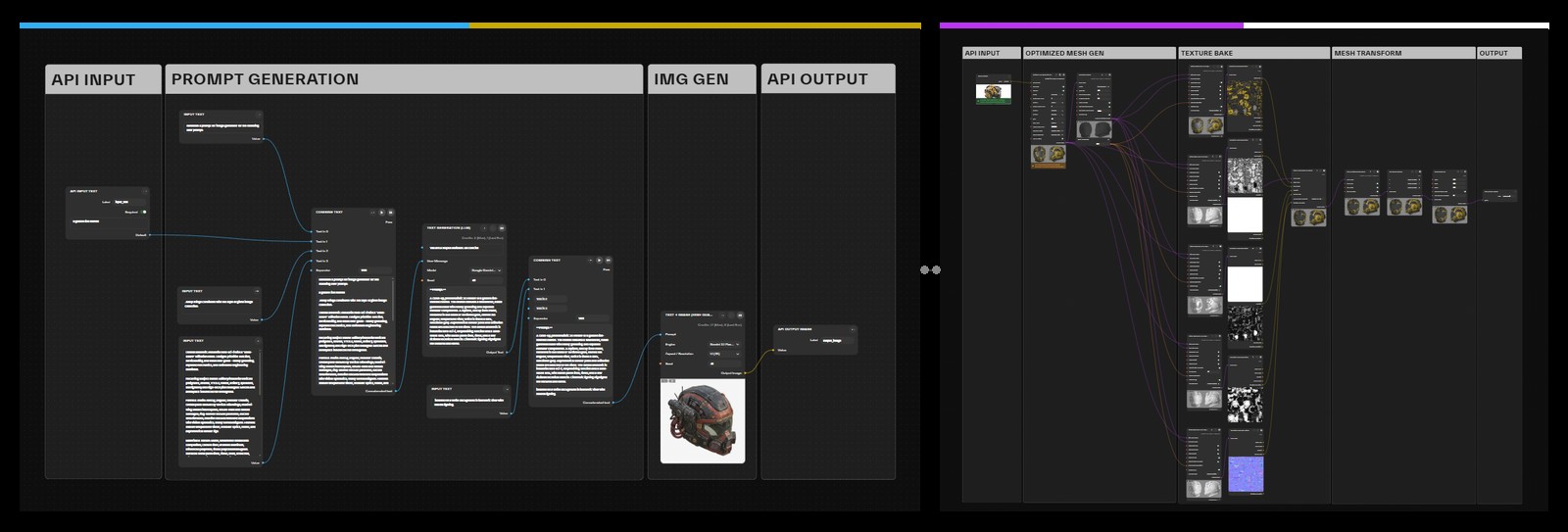
One graph, from prompt input to textured 3D output
Parallel runs the whole thing on a single Atlas graph. A prompt becomes a concept image; the concept becomes a textured 3D asset; the universe’s visual language is held constant by scoped context, not re-briefed every time.
Every model in the graph sits on an IP-safe allowlist enforced in the backend, so nothing generated falls outside Parallel’s rights. Artists define the style once, and Atlas expands it at a scale the team could never reach manually, without losing creative control.
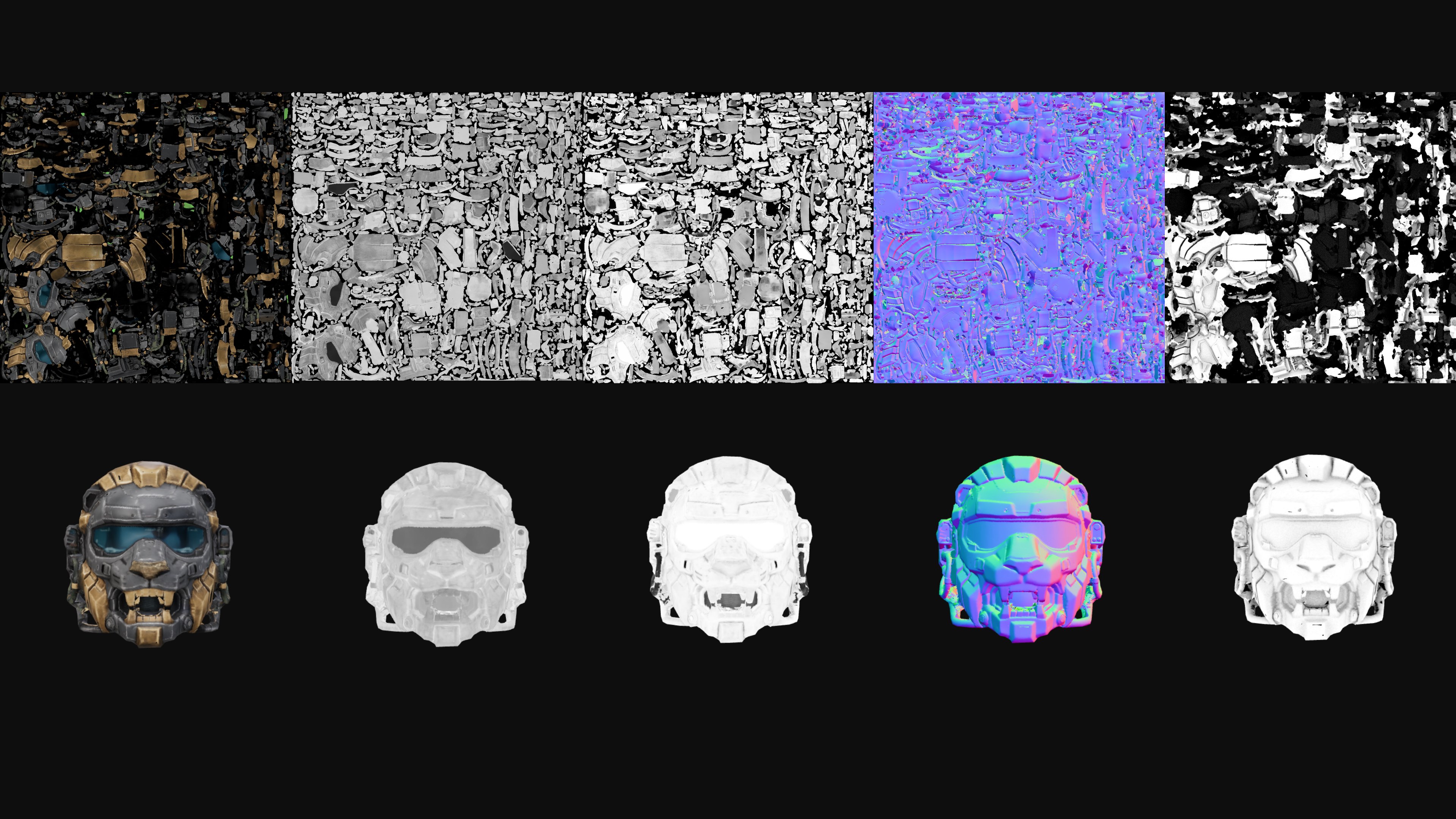
Five PBR maps baked in-pipeline, applied to a single low-poly mesh
Whatever a player imagines, on-style and game-ready.
There’s no fixed catalog behind this, and no list of approved items a player has to pick from. The pipeline reads what the player actually asked for and reconciles it with Parallel’s art direction, so a helmet, a weapon, or a piece of world geometry all come back recognizably COLONY however specific or unexpected the prompt is.
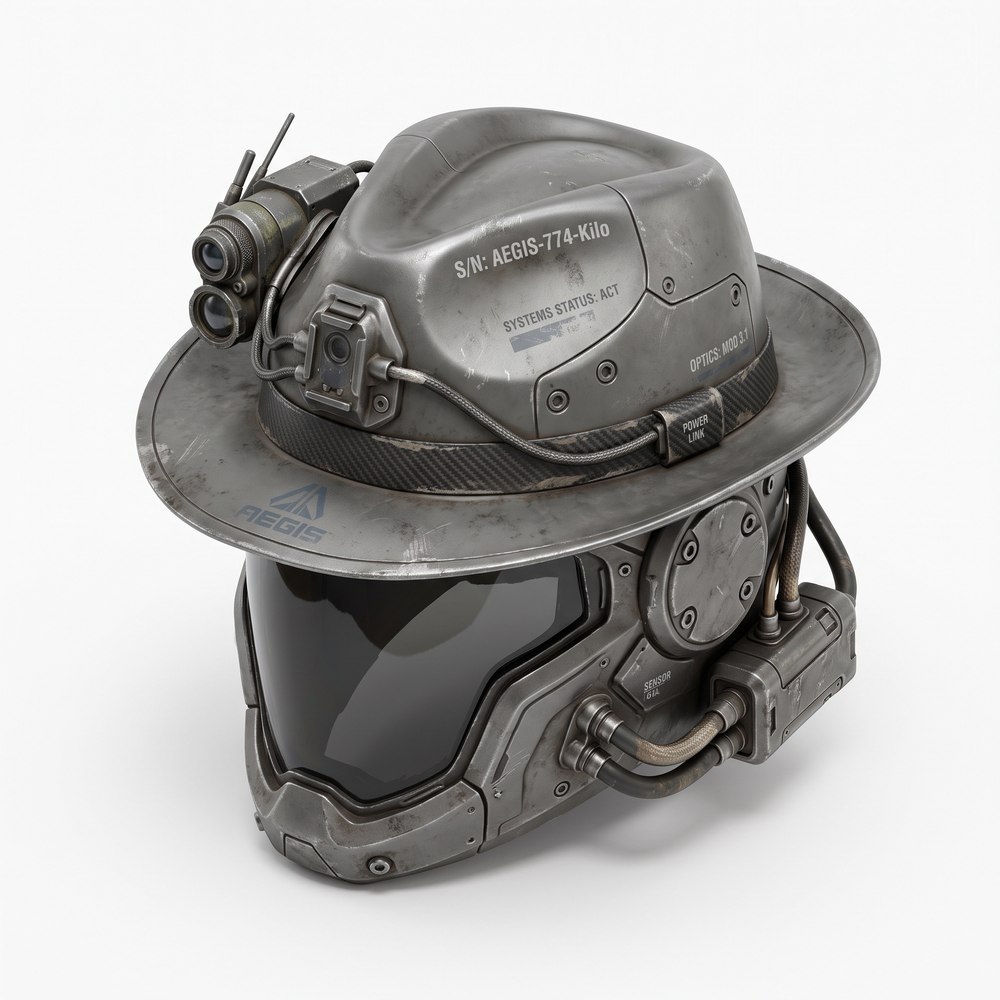
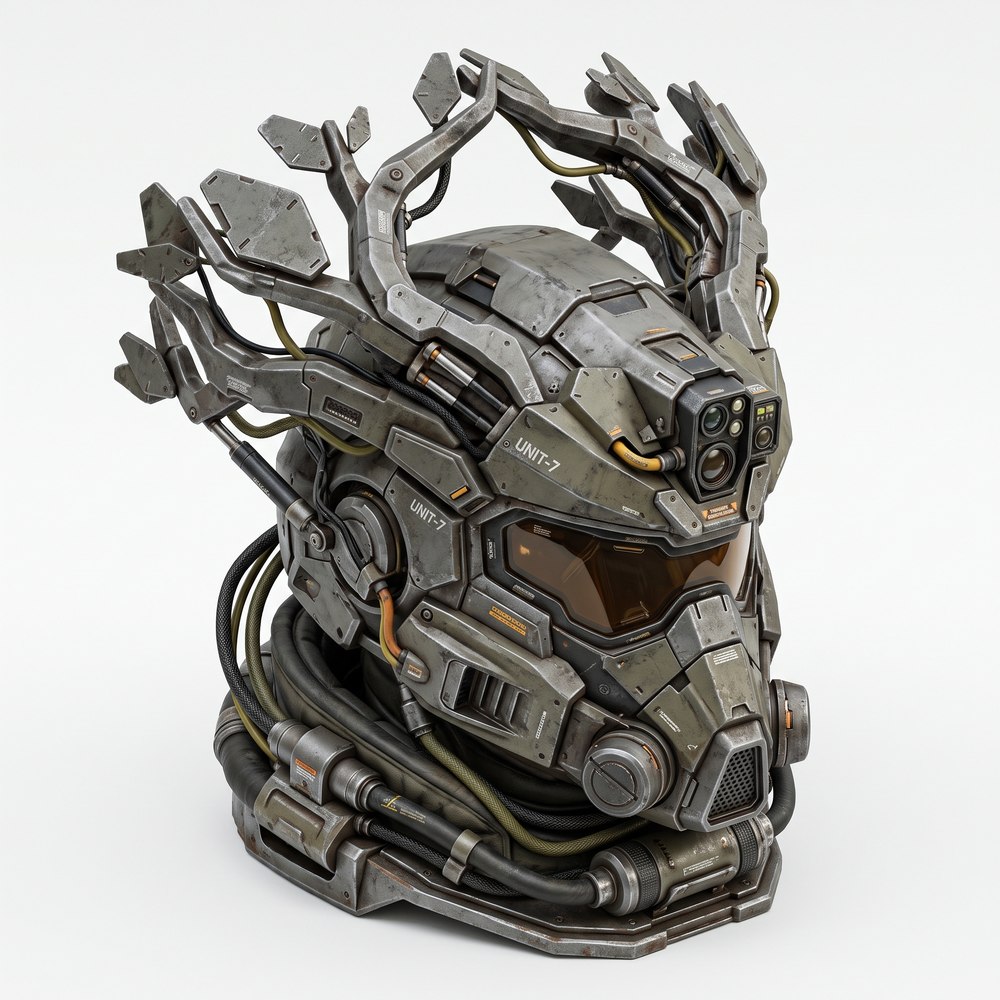
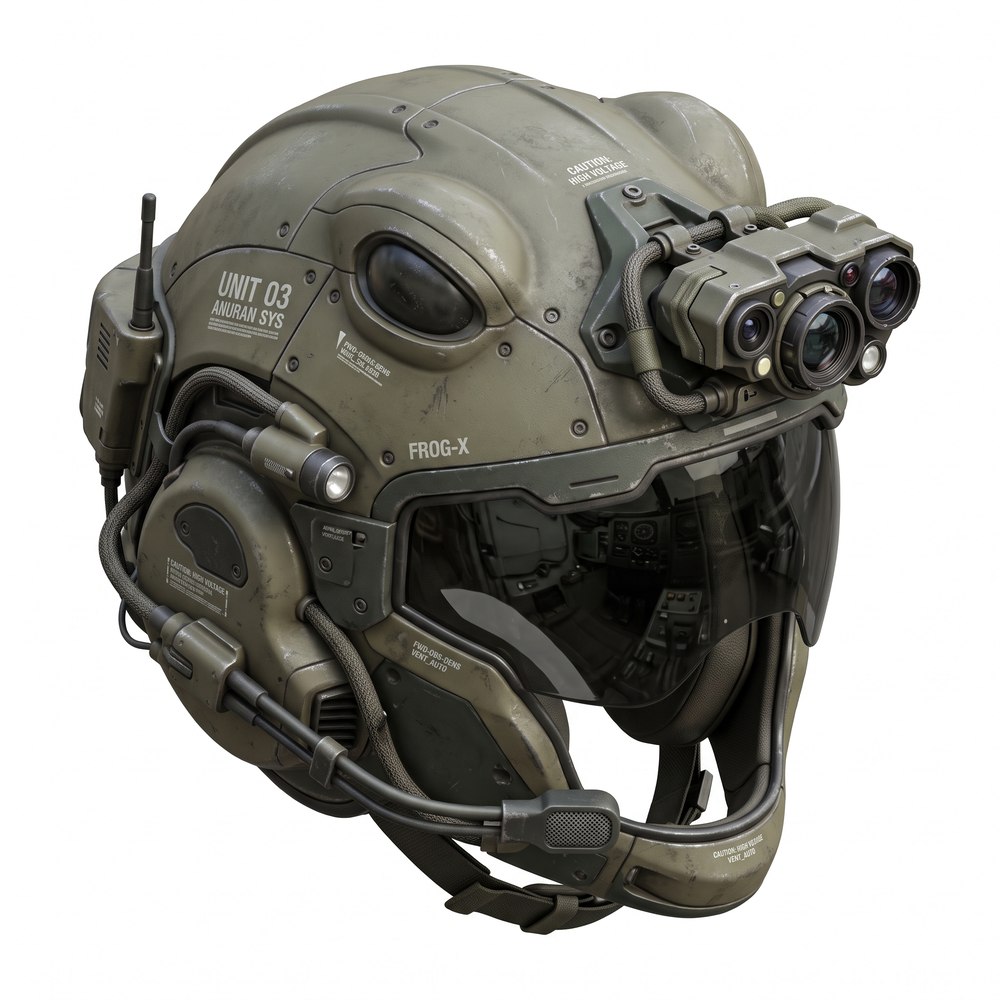
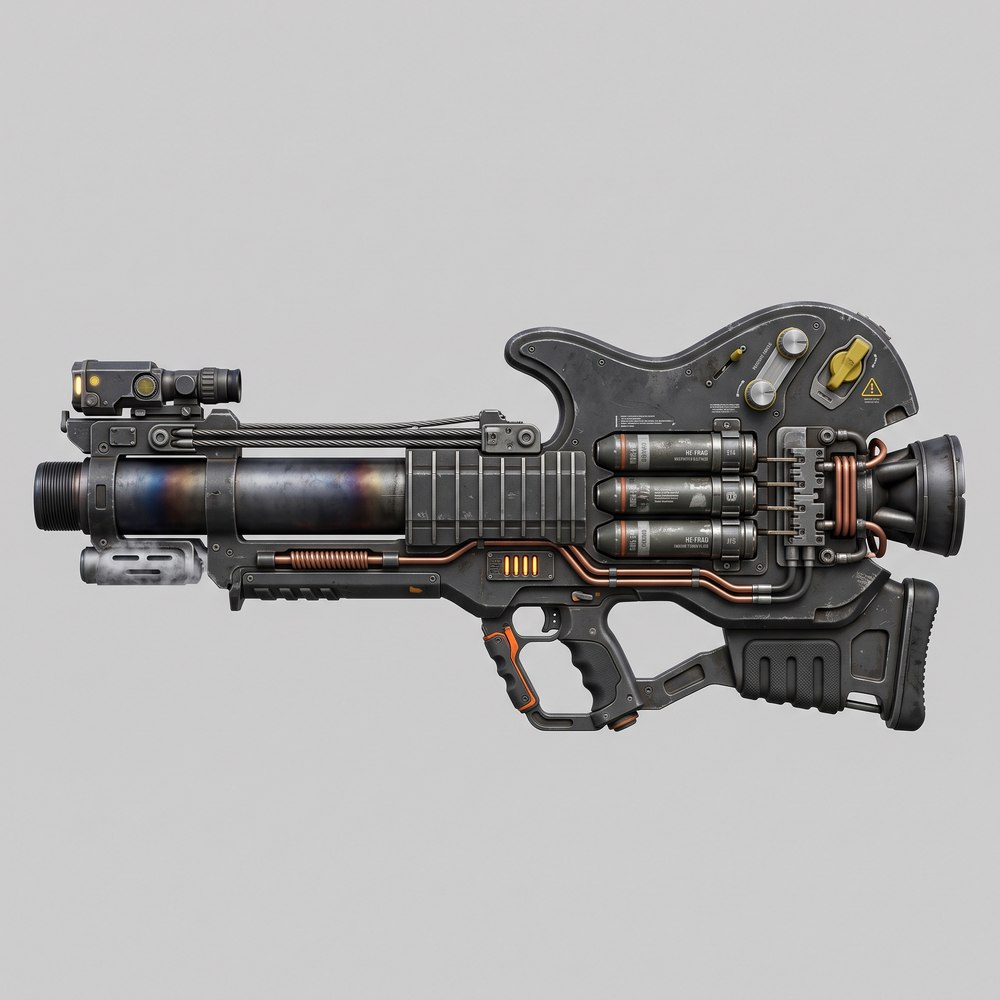
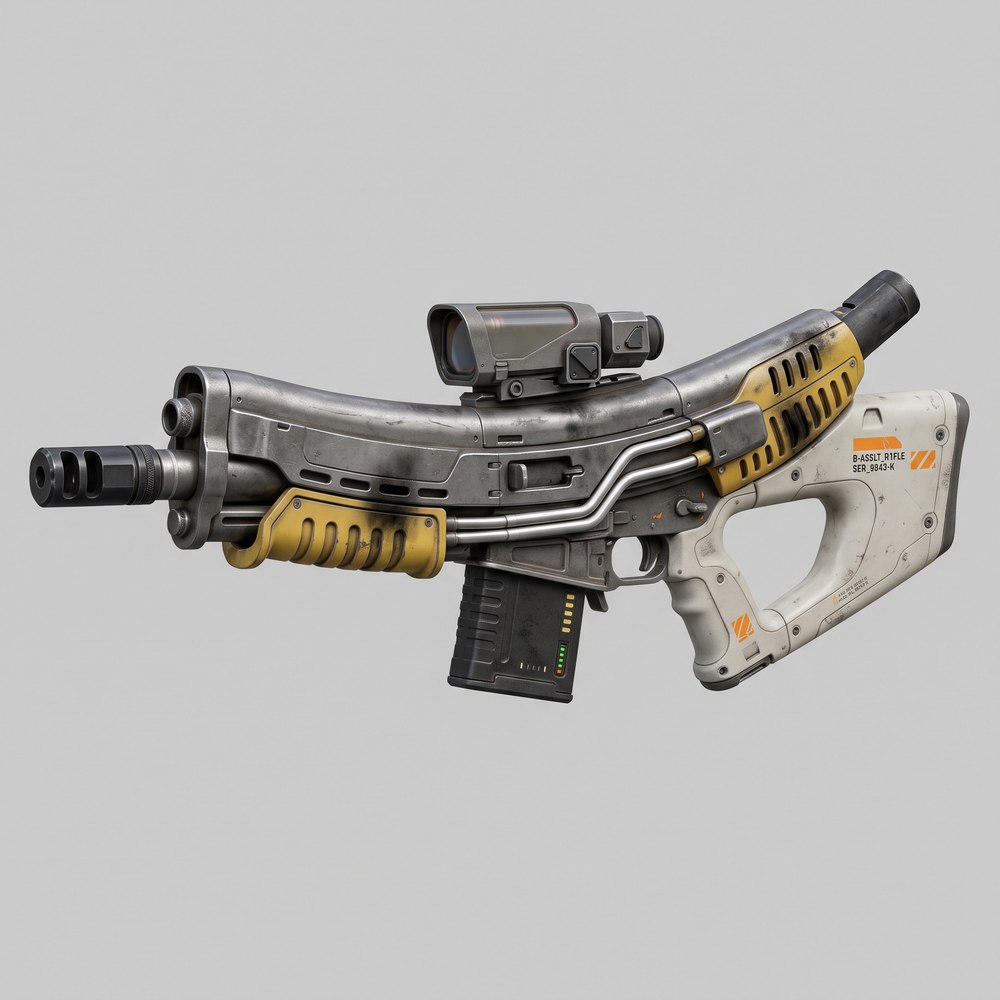
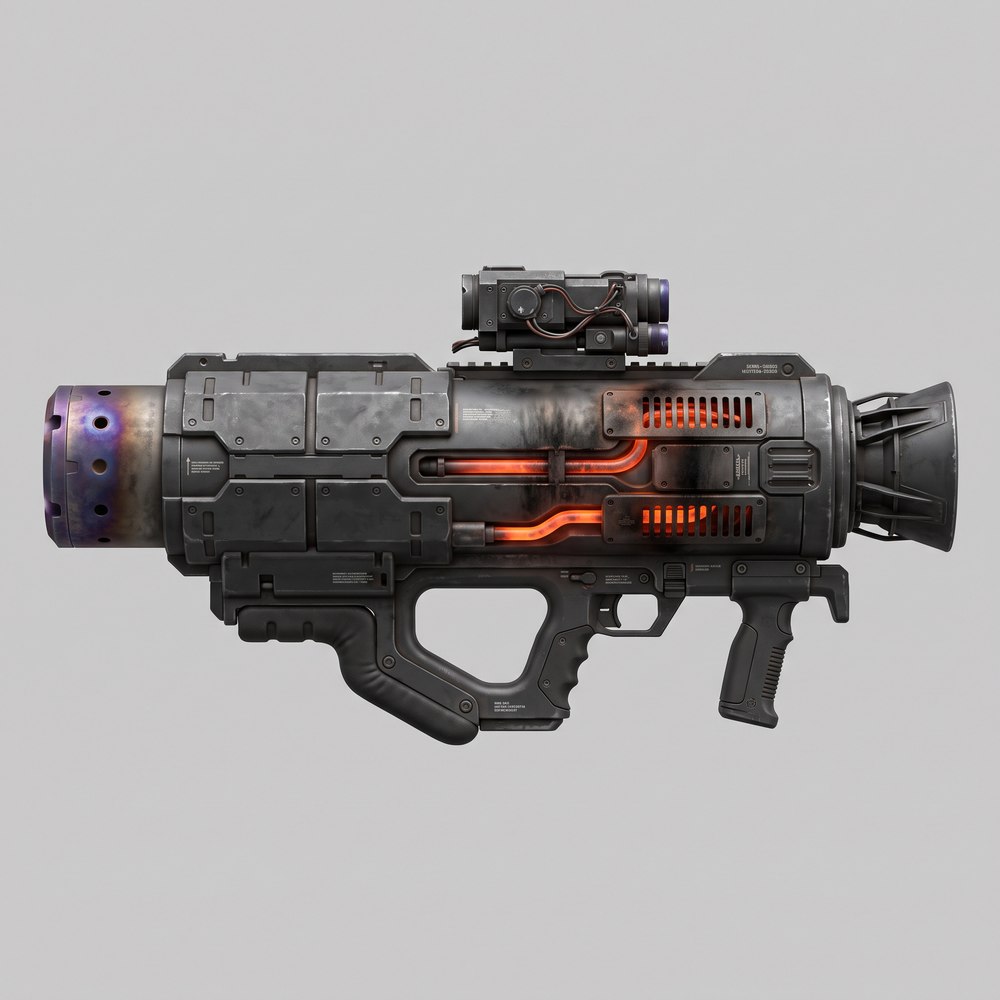
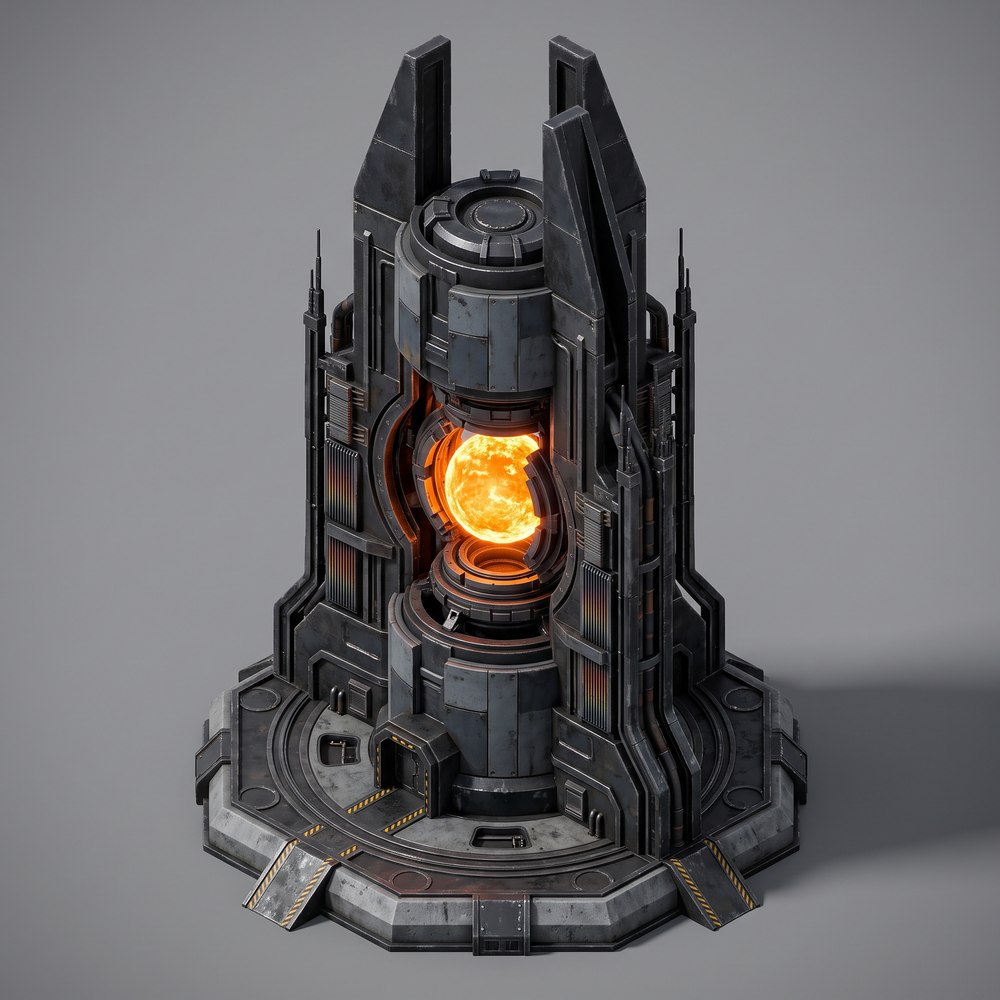
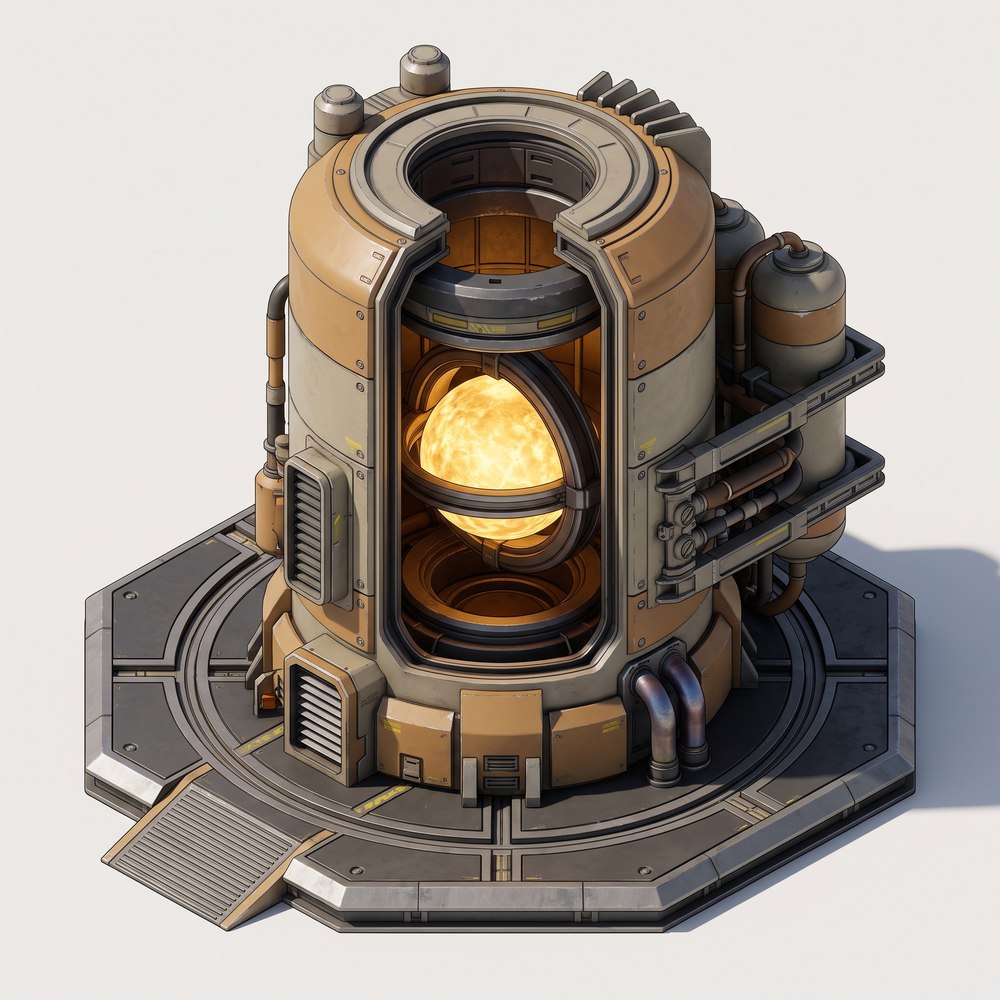
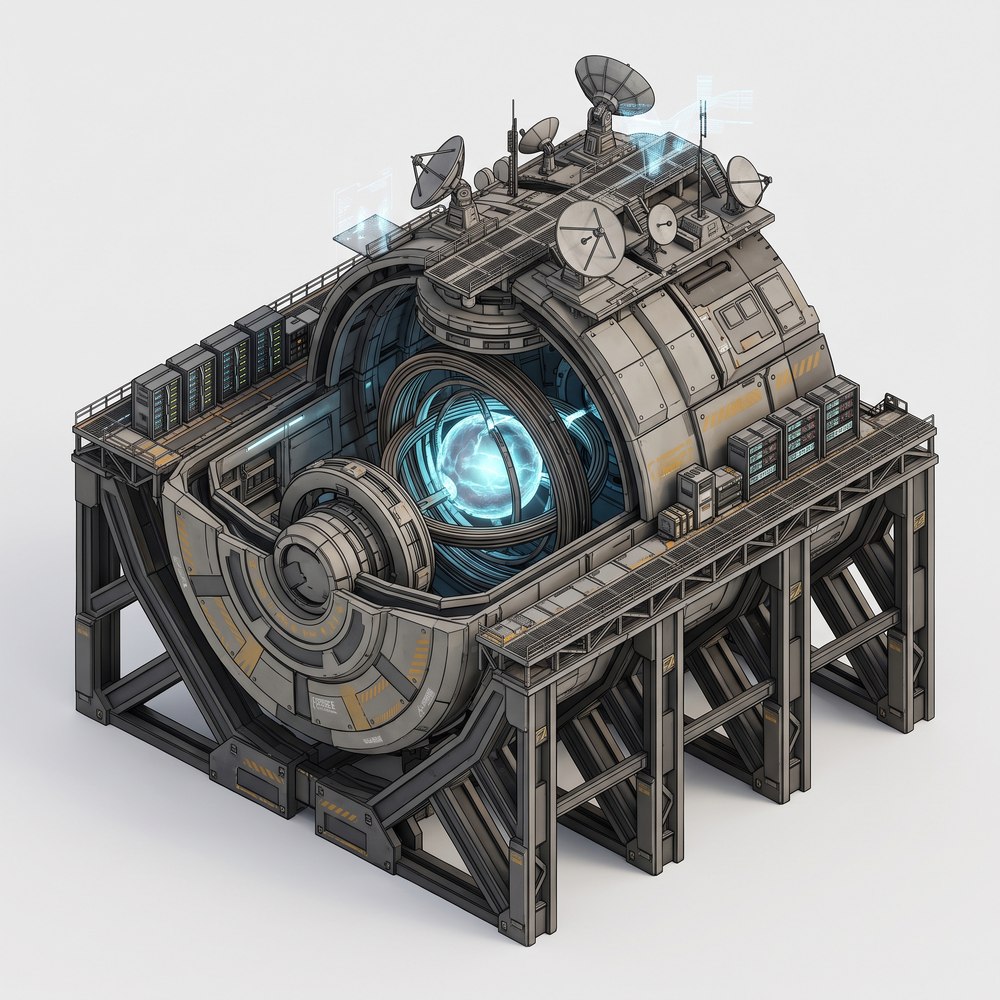
From concept to catalog scale, helmets and gear, game-ready.
Turntable-consistent helmets, generated in-pipeline
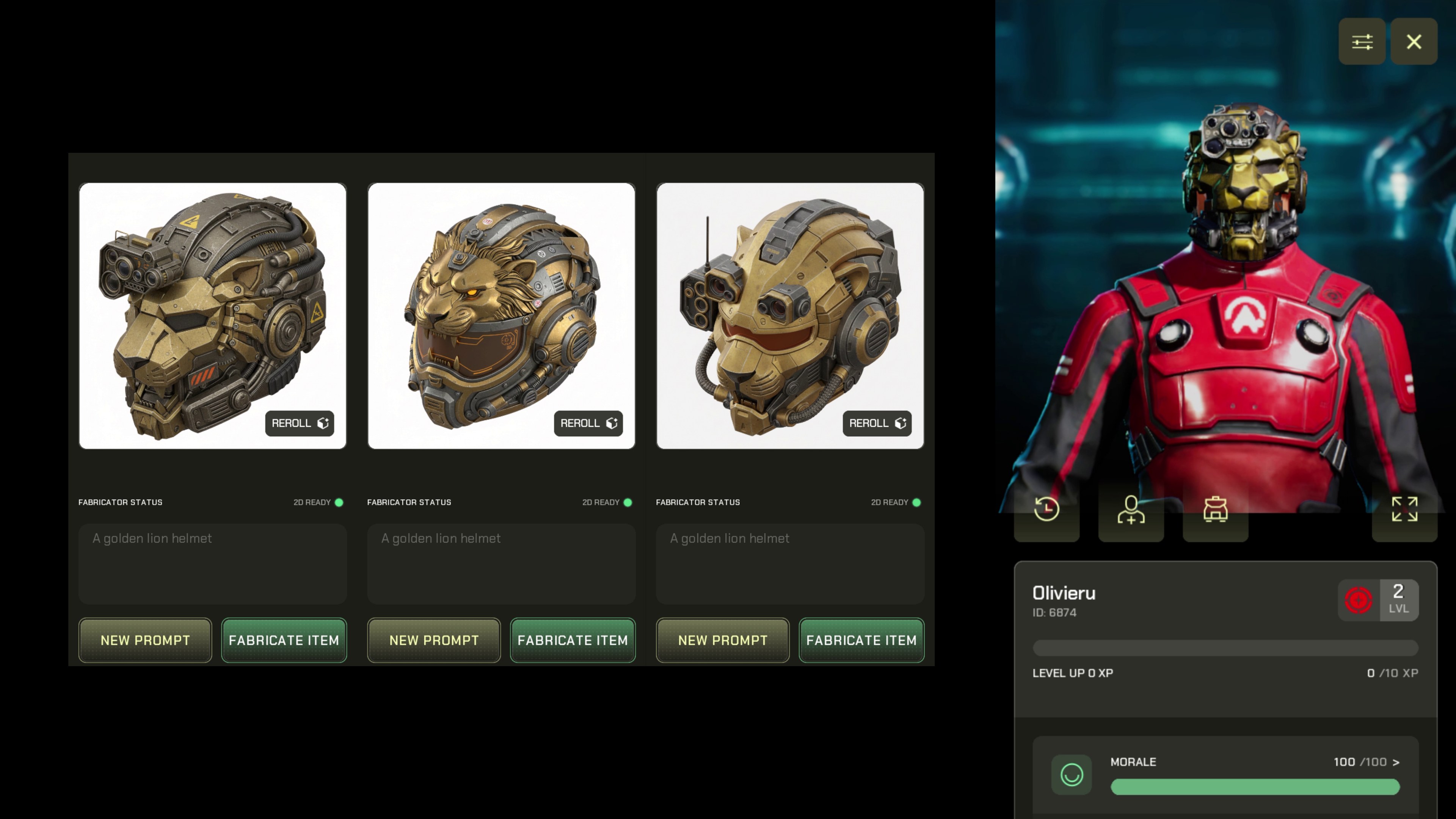
Three variations from one prompt, fabricated and equipped in-game
Thousands of production-ready items, generated over weeks rather than months, on-style whatever the request, and expanding as fast as the universe grows. The team stayed in creative control, and Atlas ran the volume.
COLONY: Gen AI Assets · Gamescom 2026
“By working with Atlas, we’re building experiences that are more immersive, more personal, and powered by truly unique, player-driven content creation.”
Put a production pipeline behind your world.
Atlas is the production layer for AAA game development: governed context, an IP-safe model allowlist, and one graph from prompt to game-ready asset.
Read the companion story on Parallel →
Assets © Parallel / COLONY · used with permission