The AI 3D asset pipeline for game production
Atlas turns an untextured clay prototype into a production-ready 3D asset — art direction, a lookdev render, retopology and 4K PBR texturing, in one pipeline.
Four stages, prototype to milestone-ready mesh
01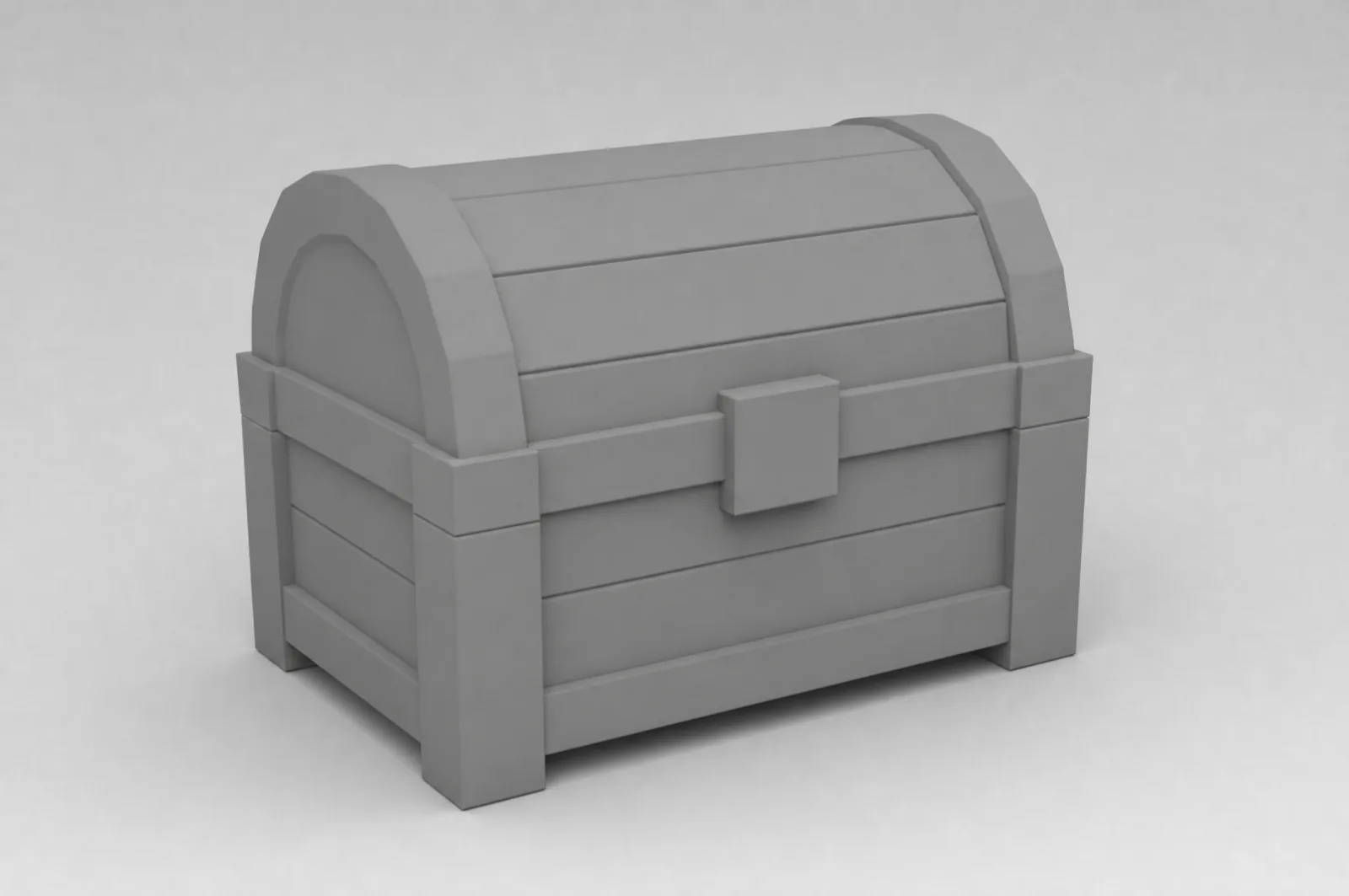
Read the prototype
A vision pass analyzes the untextured base shape — its geometry, seams, hinges and proportions.
02
Art direction
An LLM turns that structural read into an image-to-image lookdev prompt — surface wear, materials, decals and lighting — while preserving the prototype’s silhouette.
03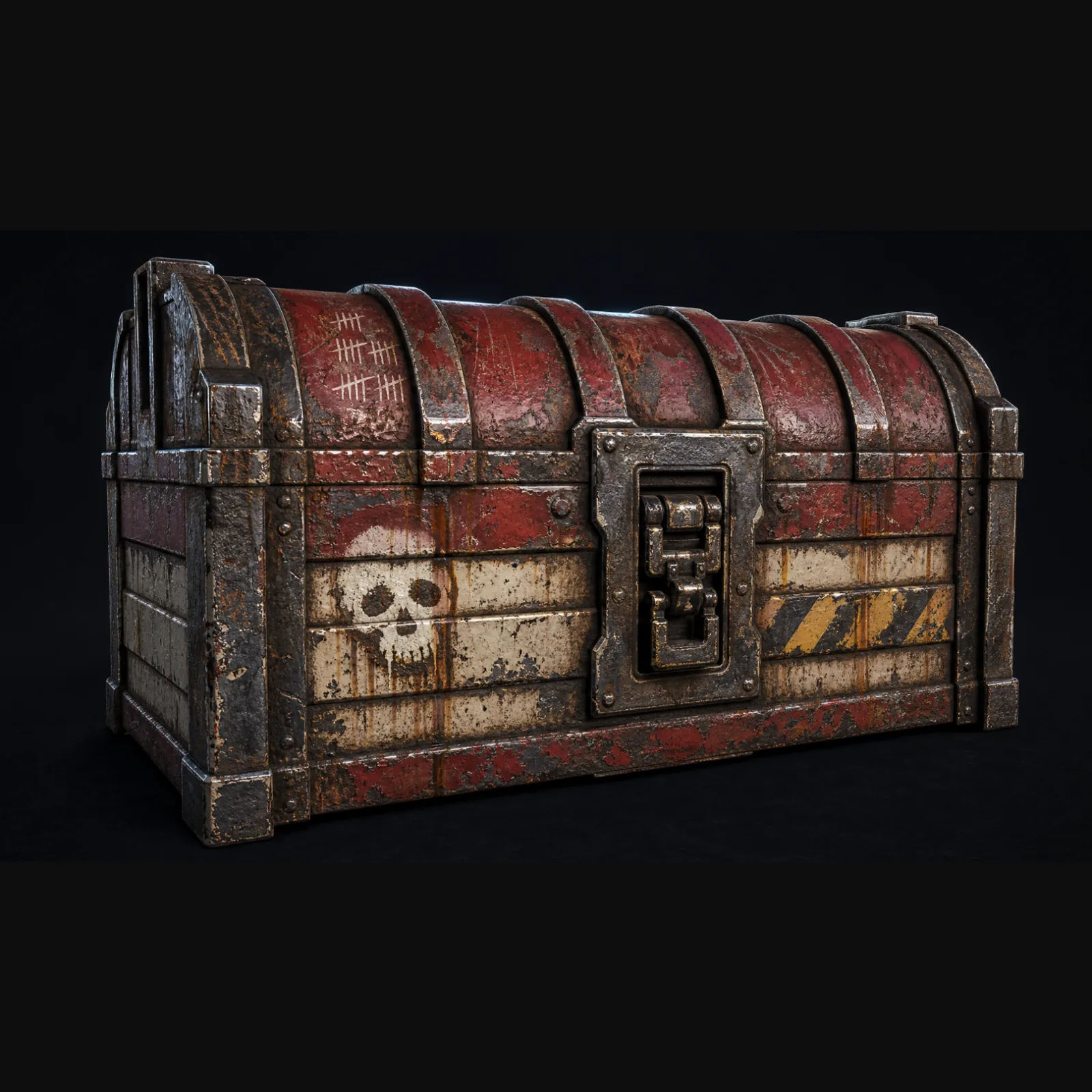
Lookdev render
A 2D concept render is generated from the art direction prompt, showing the finished look before any mesh work happens.
04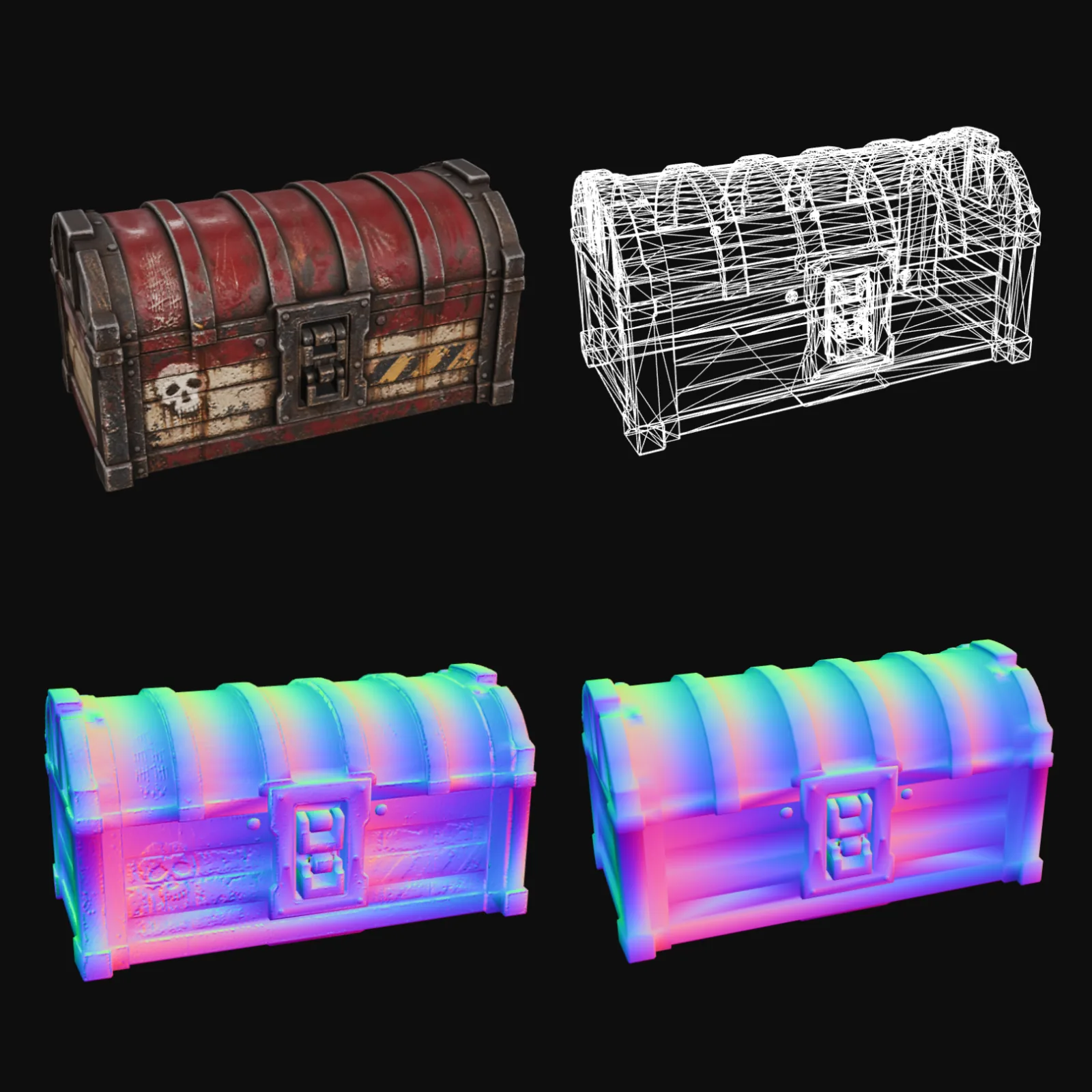
Retopology & texturing
The concept is reconstructed into a 3D mesh, retopologized to a clean ~35k-poly quad/triangle budget, and baked with 4K PBR maps referencing the concept render.
Where the time goes
| Stage | Manual | Atlas |
|---|---|---|
| Vision & LLM prompting | 2–4 hours | 5–15 seconds |
| 2D concept generation | 4–8 hours | 15–30 seconds |
| Image-to-3D reconstruction | 4–8 hours | 1–2 minutes |
| Remeshing / retopology | 2–4 hours | 30–60 seconds |
| PBR mesh texturing | 2–8 hours | 1–2 minutes |
| Total time to milestone-ready mesh | 2–4 days | 2–4 minutes |
Common questions
What does this workflow output?
A retopologized, game-ready 3D model (GLB) with baked 4K PBR textures — base color, roughness, metallic and normal maps — plus the structural analysis, lookdev prompt and concept render along the way.
How long does it take?
2 to 4 minutes end to end: vision and prompting take 5–15 seconds, the concept render 15–30 seconds, 3D reconstruction 1–2 minutes, retopology 30–60 seconds, and PBR texturing 1–2 minutes.
Can I control the art style?
Yes — the art-director system prompt can be pointed at any aesthetic (cyberpunk, hand-painted fantasy, clean hard-surface sci-fi, gothic steampunk), and the texture node accepts extra prompts or a swapped style reference image.
Which engines are supported?
GLB with standard PBR materials — drops into Unreal Engine, Unity, Godot, Blender, Maya, 3ds Max, Cinema 4D and Houdini.
The stages in depth
Related workflows
Try this workflow in Atlas
Free to start. No credit card required.
Try it on Atlas